Cars -- 2 months ago

Porsche's new electric Cayenne Turbo has supercar levels of performance but will it be enough to convert people from the combustion-engined competition?
I’d hazard a guess that not one person fortunate enough to drive the 4.0-litre, twin turbo, 650 bhp Porsche Cayenne Turbo GT got out wishing it had another 490bhp. The pure, combustion-engined crowning moment for the Cayenne first rolled out in 2022 and covered off the 0-62mph dash in around three-seconds, which we can all agree is more than enough for car that can comfortably carry a family. But this is Porsche and performance improvements are, quite simply, mandatory for any new model. Which neatly explains why the new all-electric Porsche Cayenne Turbo has the same amount of power as Aston Martin’s Valhalla supercar.
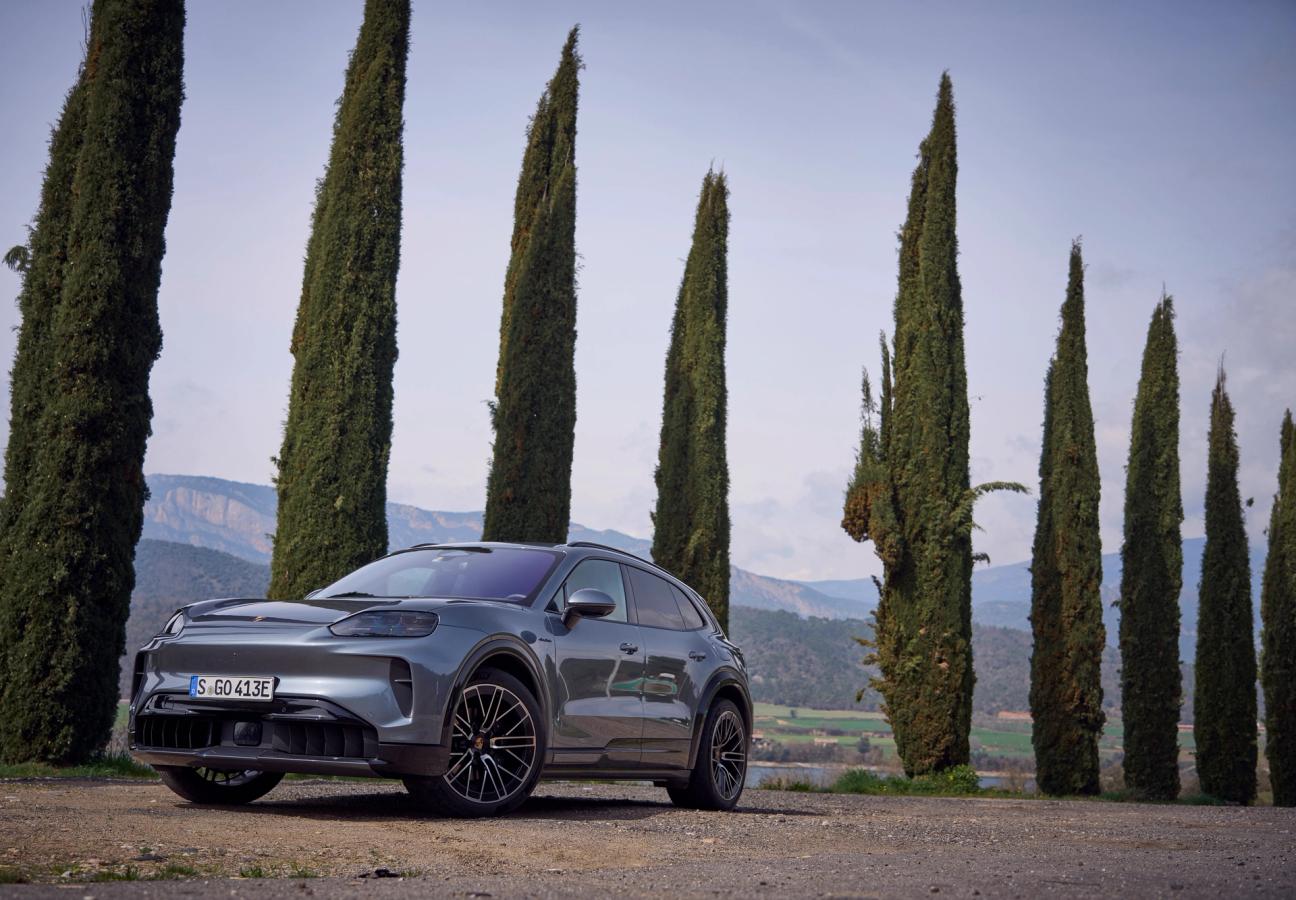
The new electric Cayenne Turbo has supercar levels of performance with 1140 bhp and a 0-62mph time of 2.5-seconds
But don’t be blinded by the sensational headline stats, because what lies beneath is something really very significant indeed. In 2002, Porsche became the first manufacturer to launch a performance SUV. Pitching athleticism with a high-riding four-wheel drive was an unusual recipe, which took the motoring masses a while to get their head around. Before the Cayenne, Porsche had really only made sportscars but here was a sportscar on steroids that could also take on a rough and rutted trail, while comfortably carrying a family of four. Today, it’s par for the course but back in the early 2000s, it was niche.
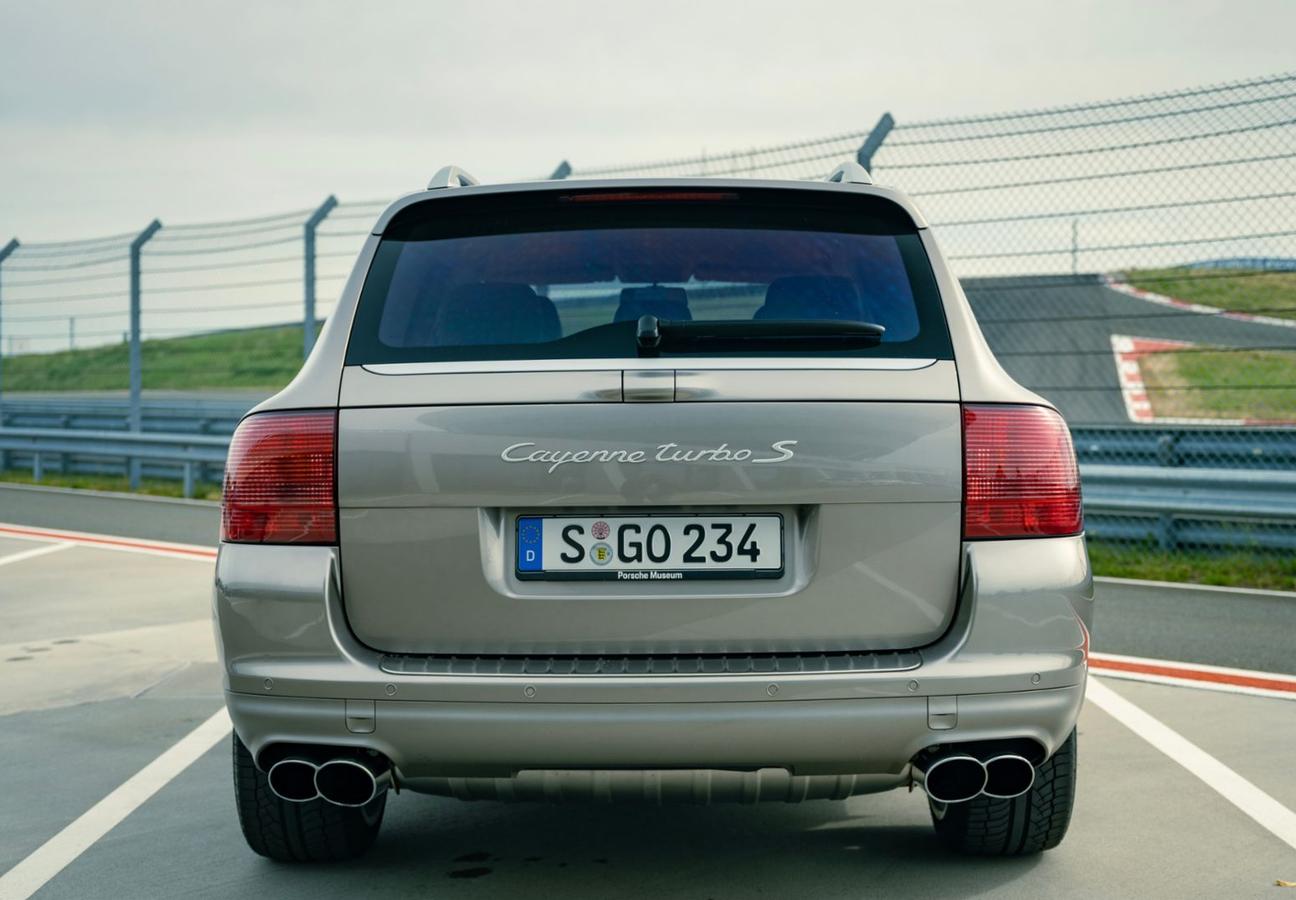
The original Cayenne Turbo came out in 2002.
Fast forward nearly a quarter of a century and what lies before me in Spain’s Basque backcountry is the next major milestone in the Cayenne’s life – the moment when Porsche’s first ever SUV and second best-selling car transitions to electric. On first impressions, the top-spec £131,000 Turbo model is a sizeable car, which still channels the classic Cayenne design cues but it sits squat, with sharper, more defined features that hint at the colossal performance underneath.
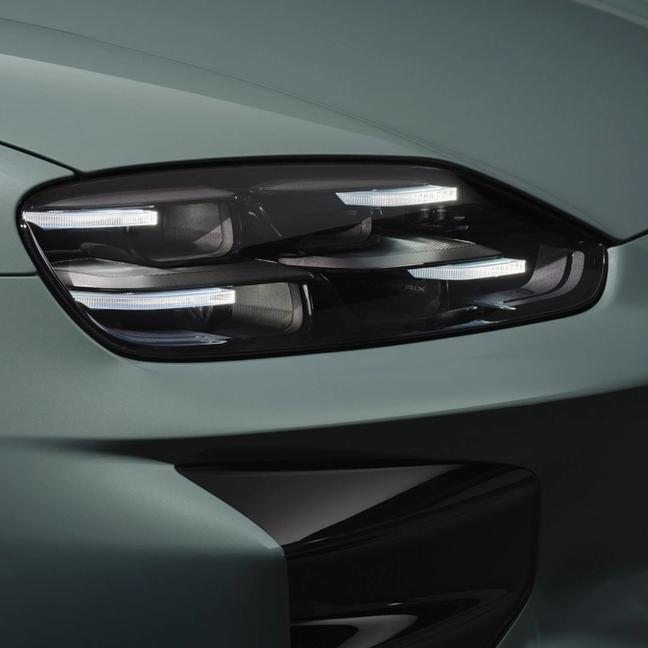
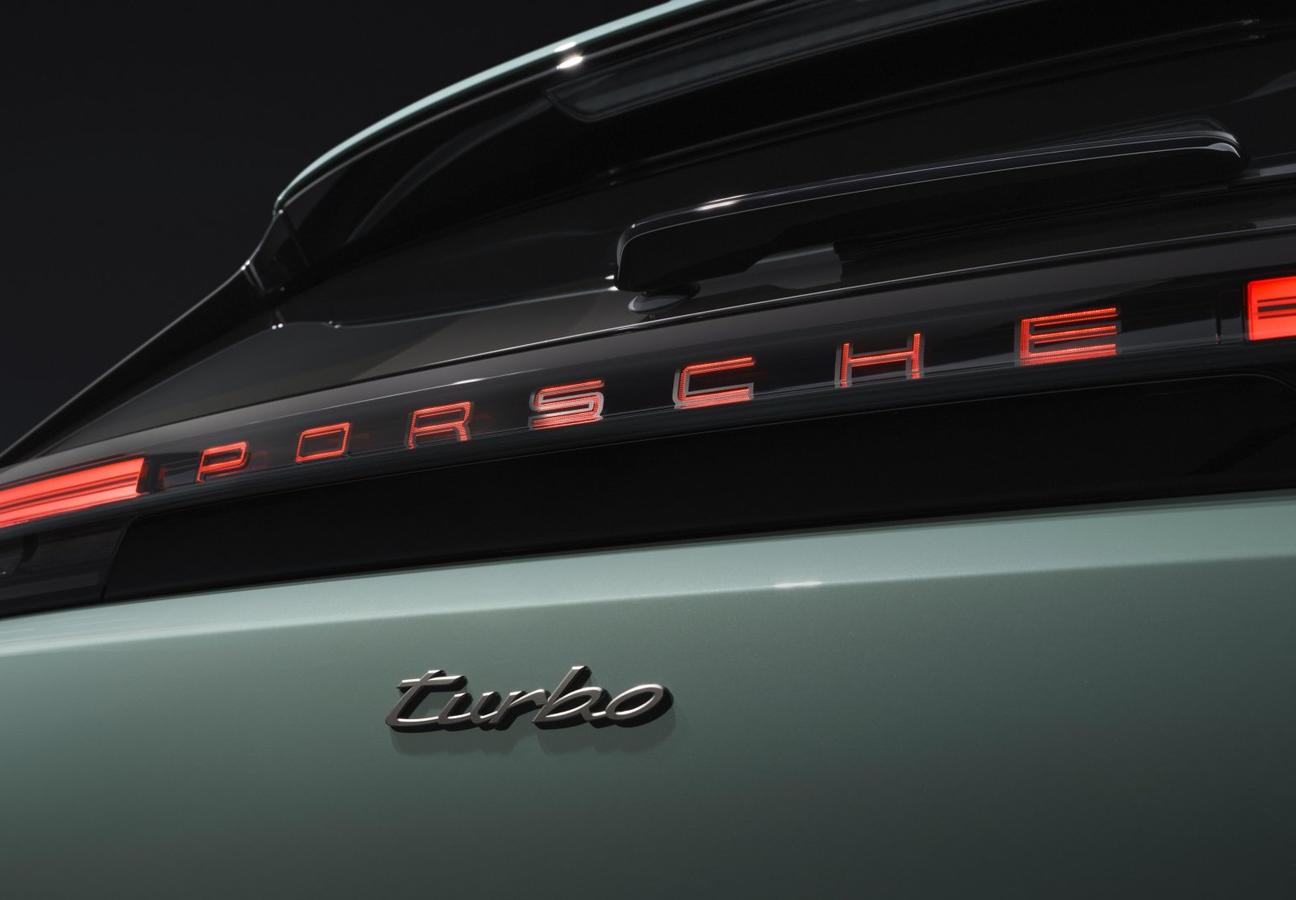
The £131,000 Turbo model channels the classic Cayenne design cues but sits squat, with sharper, more defined features
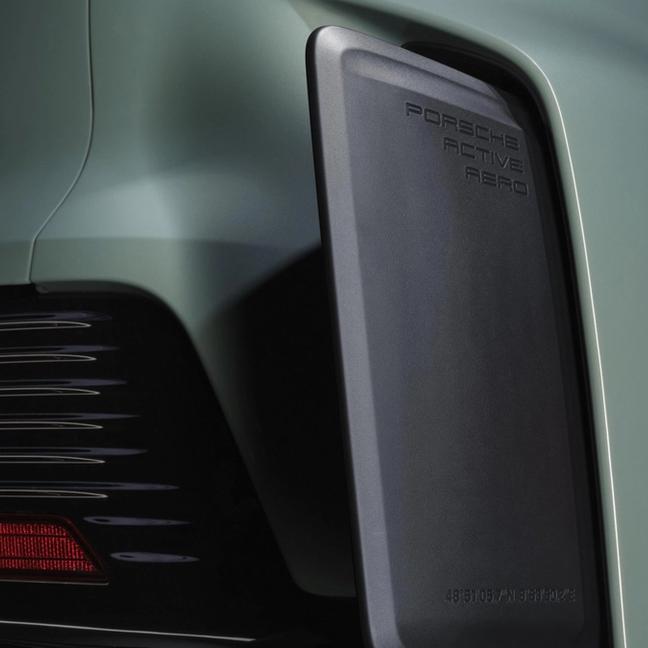
Exclusive to the Turbo are active aeroblades that pop out the sides of the rear bumper when the car clicks past 34 mph.
Two body design packages can be specified on the Cayenne: the Sport Design Package, with carbon, gloss-black or ‘Turbonite’ accents, or the Off-Road Package, which is more rugged with its matte black bodywork, reinforced skid plates and reduced, lower front bumper to allow for greater clearance when off roading. Exclusive to the Turbo are active aeroblades that pop out the sides of the rear bumper when the car clicks past 34mph. It’s a theatrical party trick but Porsche also claims it helps improve the car’s range by improving the air flow characteristics.
While the Cayenne Turbo electric looks the part, it also has enough power and performance to take on most members of the supercar club. A total of 1140 bhp and a 0-62mph time of 2.5-seconds are the top headlines, which is the same sprint time as a Lamborghini Revuelto, Ferrari SF90 Stradale and either Aston Martin’s Valkyrie or Valhalla. Take your pick.
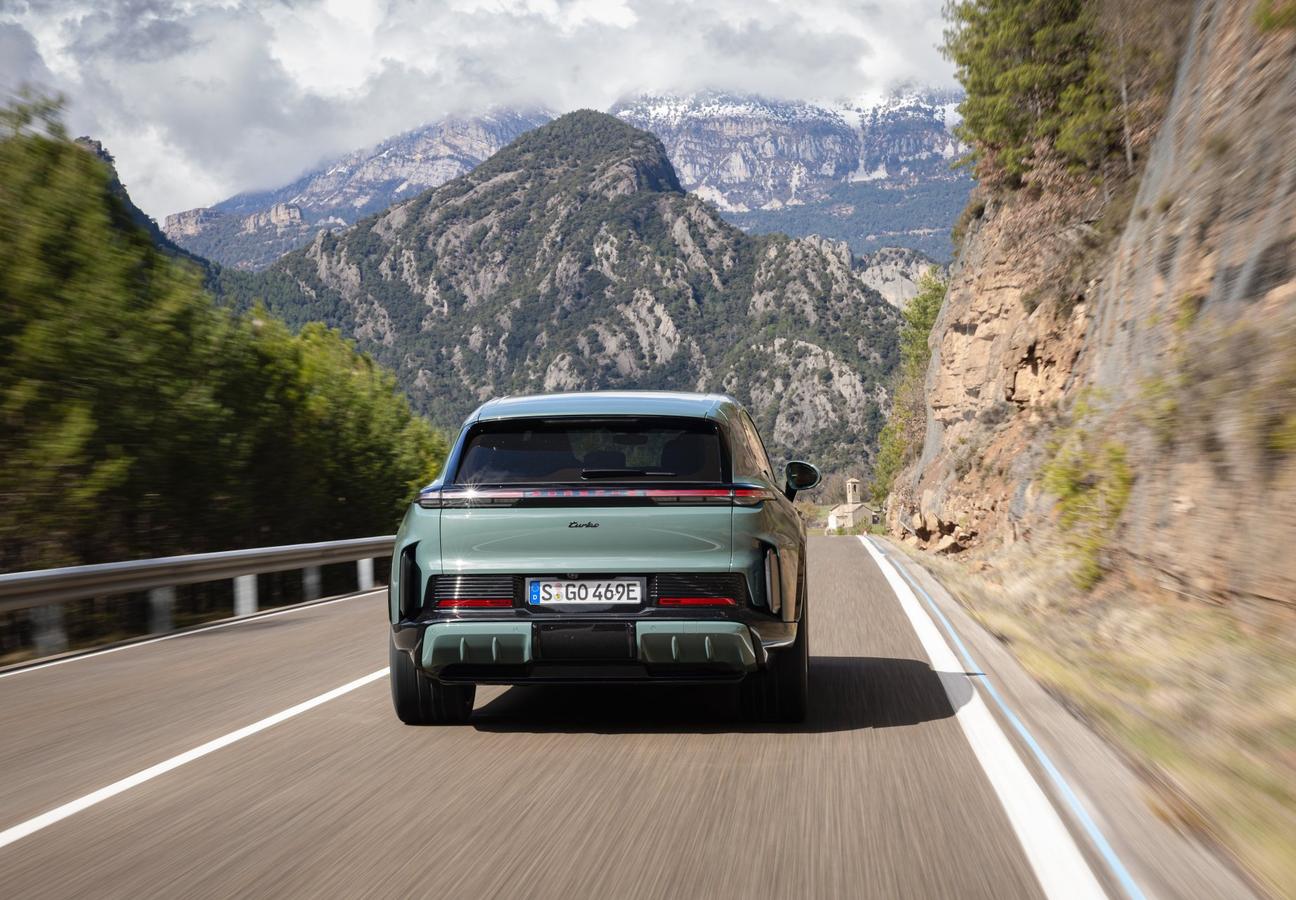
But out on the road, you’d be hard pushed to know it was packing so much power. It handles it well and will comfortably trundle along in near-silence if required. Only when you plant the throttle in Sport Plus mode do you feel the substantial force of all that power hit the road – the acceleration is ferocious. When twinned with Porsche’s trick Active Ride suspension (a £6,800 option) – which continuously adjusts the damping on each wheel individually, keeping the body of the car composed over any terrain – the Cayenne Turbo is a force.
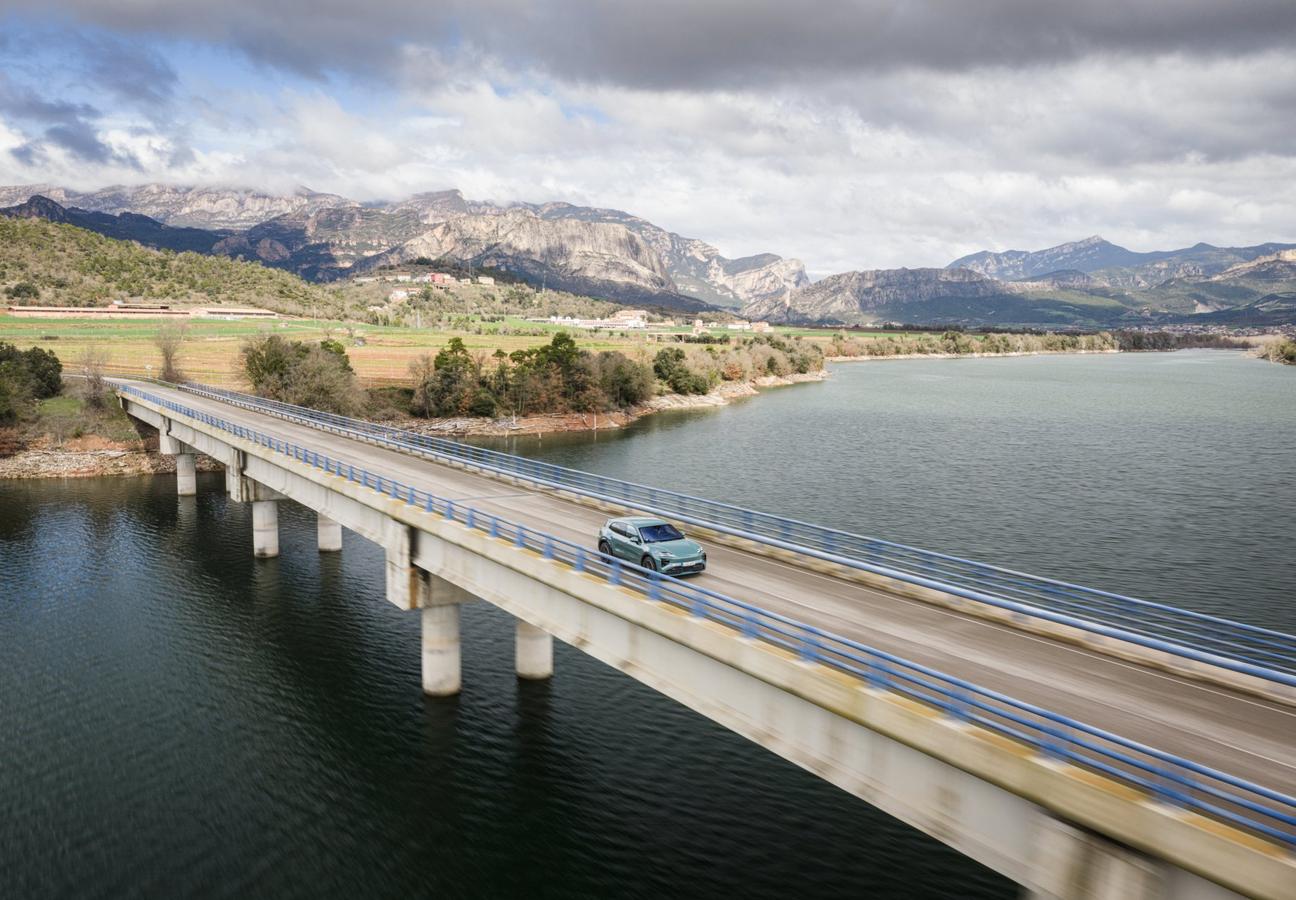
I had the pleasure of sampling this potent power and handling combination during a hot lap around a rough dirt track in the Basque backcountry with Porsche’s long-serving works driver Timo Bernhard behind the wheel. As soon as he accelerates off the startline, I’m clutching at the Cayenne’s leather-clad interior. Trying to counter the huge physical forces you feel as Bernhard throws the 2.6-tonne Turbo into another impossibly tight turn is futile. Yet all is remarkably calm and composed in the cabin as the Active Ride irons out the majority of the lumps and bumps, while ensuring body roll is kept to a minimum. It’s just short of witchcraft but there’s very little time to think about it as Bernhard covers the Cayenne in a cloud of dust while executing a celebratory doughnut.
On the inside, the biggest shift is the move to a curved, central ‘Flow Display’ which acts as the main screen for everything from climate controls, to Apple CarPlay, Android Auto and even video games. In a world where manufacturers make very little effort to incorporate screens into interiors, Porsche scores highly for ingenuity and aesthetic interior appeal.
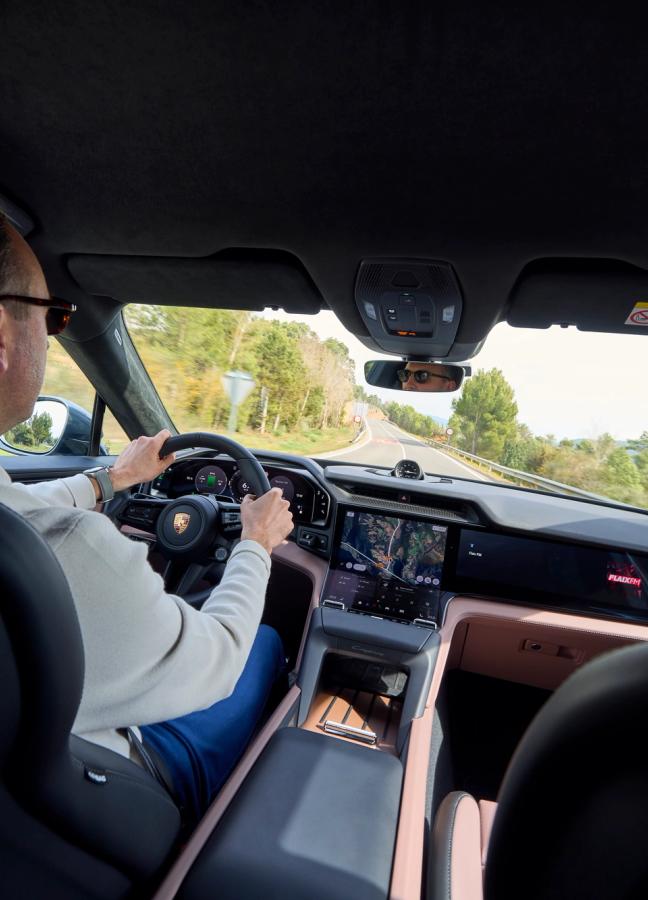
The focus of the interior is the new curved, central ‘Flow Display’.
With just short of 25 years’ experience in making performance SUVs its unsurprising to find that Porsche’s first electric Cayenne is a very complete car. The stated range on the top Turbo model is 387 miles, meaning it will swallow up most commutes with ease – even allowing for a few spirited, battery-draining bursts of acceleration here and there. Given the market conditions into which the electric Cayenne is born, Porsche is keen to point out it will offer the electric version alongside the combustion and hybrid models into the next decade.
Now with a choice of three differently powered Cayenne’s on offer, will the electric Turbo Cayenne’s party piece performance be enough to excite people out of their combustion and hybrid models? Time will tell.
To receive the latest in style, watches, cars and luxury news, plus receive great offers from the world’s greatest brands every Friday.